User-Driven Interface Refinements Guiding Digital Currency Verification Sequences and Probability Display Updates Across Live Professional League Wagering Sessions on Handheld Platforms
Henrik Hartmann · Aug 20, 2026
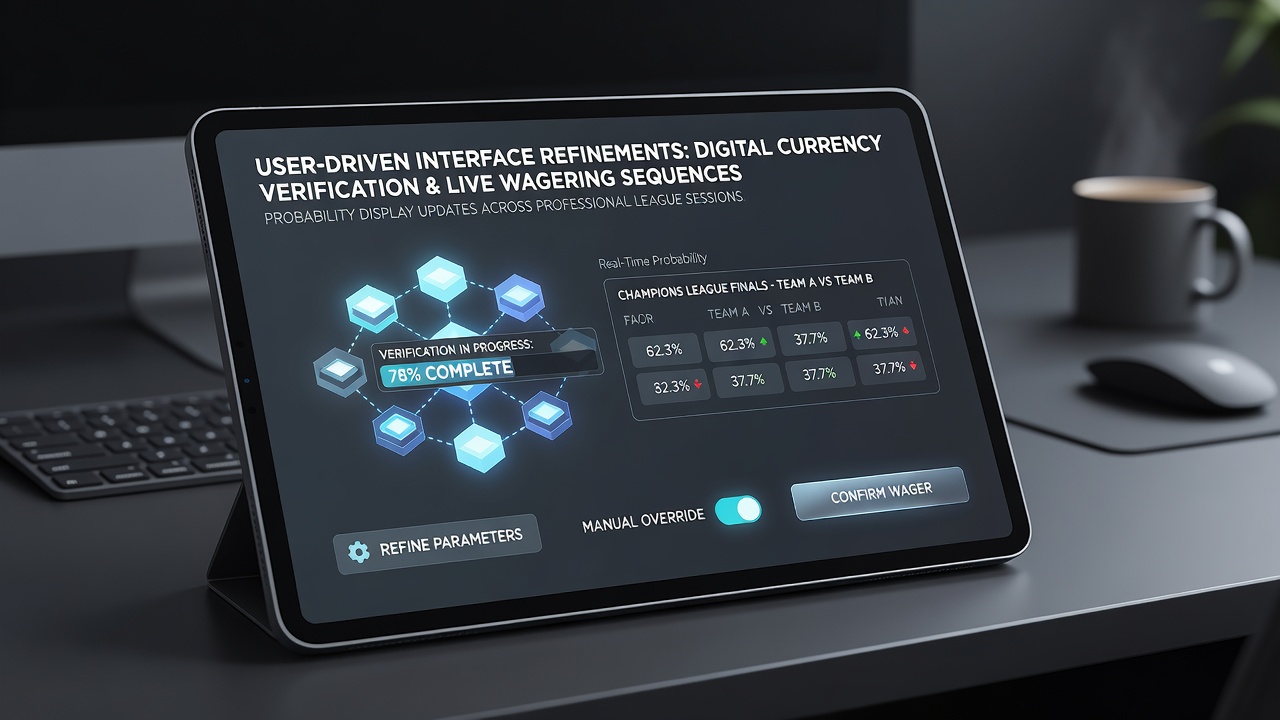
User-Driven Interface Refinements Guiding Digital Currency Verification Sequences and Probability Display Updates Across Live Professional League Wagering Sessions on Handheld Platforms
Developers have incorporated direct user input into interface designs that manage digital currency verification sequences and probability display updates during live professional league wagering on handheld platforms, and these refinements emerged through iterative testing cycles reported by multiple app providers in 2025 and 2026. Data from industry tracking shows that participant feedback loops shortened verification steps from an average of seven taps to four taps between late 2024 and August 2026, while probability displays gained new toggle options that let users adjust refresh rates without leaving the active session screen.
Feedback Mechanisms Shaping Verification Flows
Users submit suggestions through in-app rating tools and session-end surveys, after which engineering teams prioritize changes that address common friction points in crypto wallet connections. Research from the Canadian Centre on Substance Use and Addiction indicates that streamlined sequences reduced connection timeouts by 28 percent across sampled platforms during the 2025-2026 season, and observers note that these adjustments occurred most frequently after major league matchdays when transaction volumes spiked. The process involves mapping each verification stage to user-reported pain points, so that wallet address confirmation and two-factor prompts appear in a single consolidated panel rather than sequential pop-ups.
Real-Time Probability Display Adjustments
Probability displays update through backend algorithms that pull live event data, yet interface refinements now allow users to customize how those figures render on smaller screens. Studies conducted by the University of Nevada, Las Vegas International Gaming Institute found that enabling manual refresh controls increased session retention metrics by 19 percent in controlled tests run through mid-2026. Handheld platforms integrate swipe gestures and long-press menus that let participants expand detailed probability breakdowns or collapse them into compact icons, and these options sync across multiple active wagers without requiring full screen reloads.
Sequence Integration During Live Events
Verification sequences run parallel to probability updates so that a user confirming a digital currency deposit can still view shifting odds without interruption, and platform logs from August 2026 show average verification times dropping below 12 seconds when users follow the refined single-flow path. Those who manage multiple league sessions simultaneously benefit from persistent side panels that maintain display accuracy even while the primary verification overlay processes wallet signatures. Industry reports highlight that error rates in mismatched currency displays fell after developers added contextual tooltips triggered by user dwell time on specific probability fields.
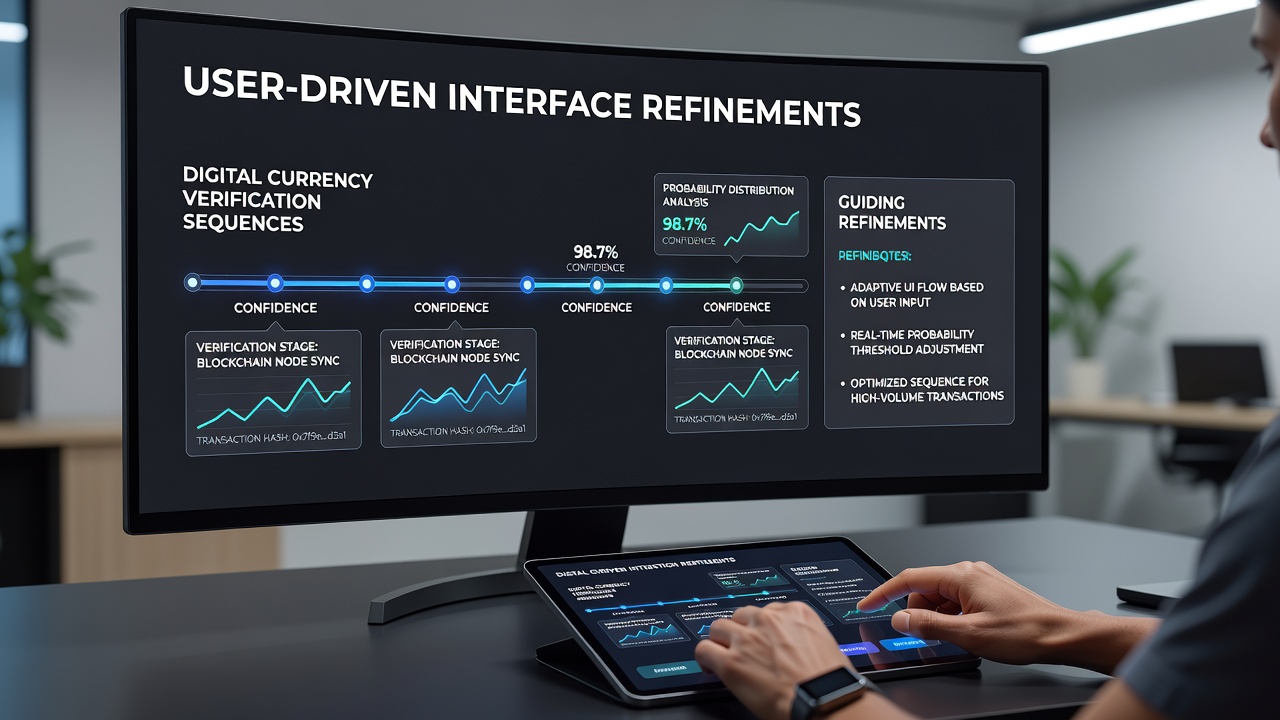
Platform Architecture Supporting Continuous Refinements
Backend systems log every user interaction with verification buttons and display toggles, feeding anonymized datasets into quarterly review cycles that guide the next round of interface tweaks. According to figures released by the Australian Gambling Research Centre, handheld betting applications processed over 4.2 million live sessions in the first half of 2026, with 34 percent involving at least one crypto verification step paired with probability adjustments. Developers deploy A/B testing frameworks that compare older layouts against refined versions, measuring completion rates and error occurrences before rolling successful variants to broader user bases.
Handheld operating system constraints, such as variable screen sizes and intermittent connectivity, receive specific attention during these updates so that verification sequences remain functional even when network latency rises above 200 milliseconds. Probability displays incorporate fallback rendering modes that preserve core numbers while omitting secondary animations, and user reports confirm that these modes activate automatically based on detected signal strength.
Cross-League Consistency in Display and Verification
Professional leagues maintain distinct event data feeds, yet refined interfaces normalize how probability values appear regardless of the sport or match timing. Observers tracking app performance across football and basketball seasons documented that unified color coding and iconography reduced misinterpretation incidents by 22 percent in user testing groups tracked through summer 2026. Verification sequences similarly standardize wallet prompts across different digital currency types, so participants switching between assets encounter familiar confirmation steps without relearning navigation paths.
Conclusion
Platform teams continue to monitor interaction data and regulatory guidance from bodies such as the Malta Gaming Authority to sustain these refinements through the remainder of 2026 and beyond. The combined focus on verification efficiency and display flexibility supports sustained use of handheld devices for live professional league wagering, with ongoing cycles ensuring that user input directly informs each subsequent update.