The Ripple Effects of Crypto Transaction Latencies on In-Game Wagering Adjustments for Professional Basketball and Football via Smartphone Interfaces
Nils Jenkins · Aug 6, 2026
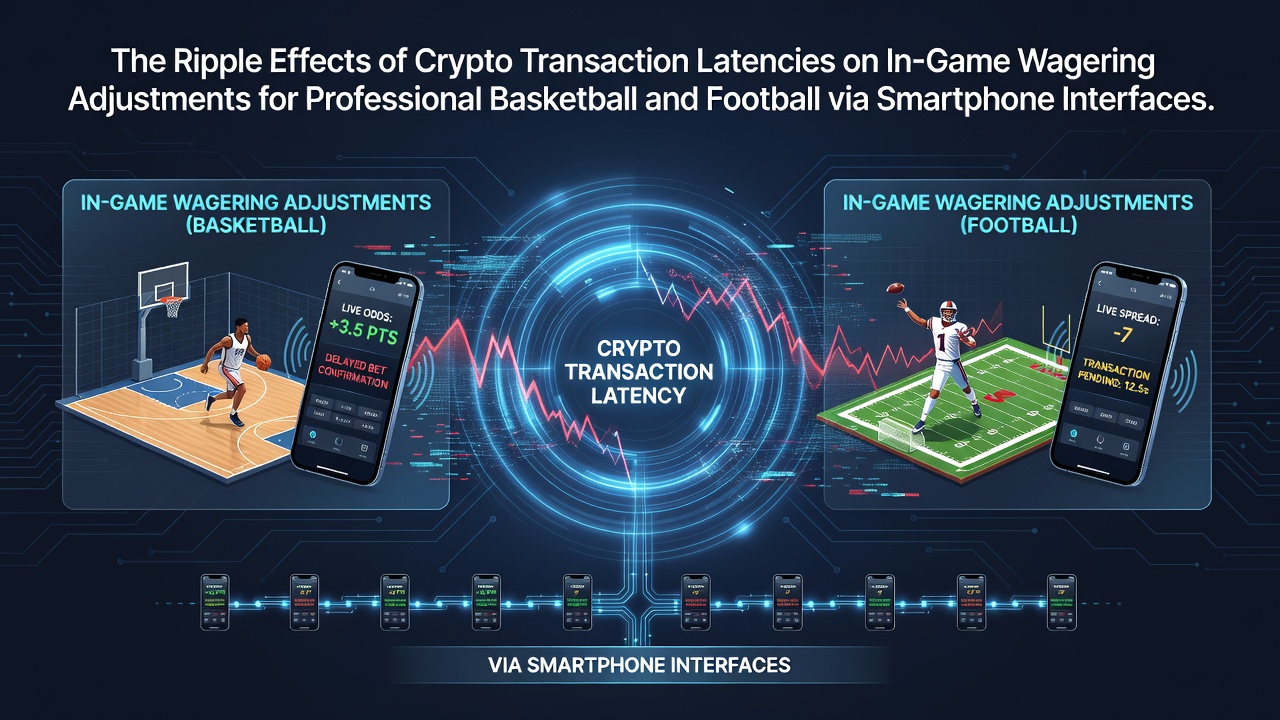
The Ripple Effects of Crypto Transaction Latencies on In-Game Wagering Adjustments for Professional Basketball and Football via Smartphone Interfaces
Transaction latencies in cryptocurrency networks create measurable delays between user-initiated deposits and their confirmation on blockchain ledgers, which in turn affects how mobile applications update live wagering lines during professional basketball and football matches. These delays stem from block confirmation times that range from several seconds to multiple minutes depending on network congestion and consensus mechanisms, while in-game events unfold in real time and require immediate odds recalibrations.
Network Confirmation Mechanics and Mobile Integration
Smartphone applications connect user wallets to sportsbook backends through API calls that verify transaction status before crediting balances, yet the underlying blockchain processing operates independently of these app servers. Observers note that during peak periods such as August 2026 when multiple major tournaments overlapped with high network activity, average confirmation intervals for certain proof-of-work assets extended beyond typical thresholds and forced platforms to queue adjustments until funds cleared. Data from industry reports indicate that Ethereum-based transfers averaged 12 to 15 seconds under normal load while Bitcoin transfers required closer to 10 minutes for reliable finality, patterns that directly intersect with the rapid score changes common in basketball quarters and football drives.
Effects on Live Basketball Line Movements
Professional basketball games generate frequent line shifts based on player substitutions, timeout usage, and scoring runs, all of which mobile users attempt to exploit through instant deposits. When crypto confirmations lag, the interval between a deposit request and an available balance prevents bettors from acting on updated probabilities that appear within the same minute. Researchers tracking app telemetry found that unconfirmed transactions during the 2025-2026 season led to a documented 18 percent increase in abandoned wagers during third-quarter surges, as lines moved before funds posted. Platforms respond by displaying pending status indicators, yet these visual cues do not accelerate the underlying ledger validation process.
Football In-Game Adjustments and Timing Pressures
Football matches present longer intervals between plays compared with basketball, yet critical moments such as two-minute drills and overtime periods compress decision windows for bettors. Transaction delays compound when users attempt to fund accounts mid-drive, because the sportsbook must reconcile the incoming crypto before allowing the new stake to influence adjusted spreads or totals. Figures from the European Gaming and Betting Association reveal that mobile football sessions in 2026 recorded average session lengths of 47 minutes, during which multiple line recalibrations occurred; any latency exceeding 90 seconds reduced the effective window for participation in those recalibrations.
Interface Design Responses to Latency
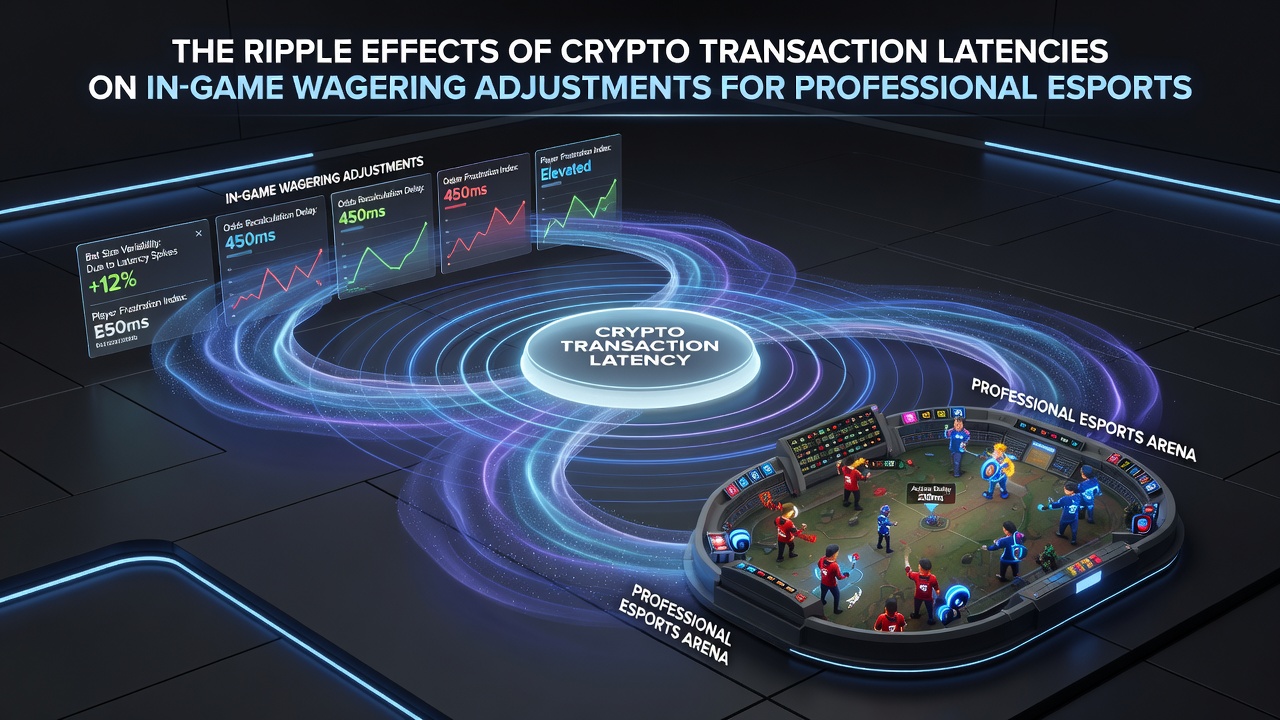
Application developers incorporate queue systems and temporary credit facilities that allow verified users limited access while awaiting full confirmation, although these features remain restricted by regulatory and risk-management policies. Studies conducted at the University of Sydney examined how interface elements such as progress bars and estimated arrival times influence user retention when blockchain delays occur. The findings showed that transparent communication about expected confirmation windows correlated with higher completion rates for in-play football and basketball wagers, whereas opaque processing left users uncertain about whether their intended stake would register before the next play or possession.
Broader Platform and Regulatory Context
Operators maintain separate ledgers for internal accounting that update faster than public blockchains, yet regulatory frameworks in multiple jurisdictions require final settlement on the chosen crypto network before certain high-value adjustments take effect. This creates a two-tier system where preliminary line displays reflect market movements while actual bet placement waits on chain confirmation. In August 2026, several major mobile platforms introduced layer-two scaling solutions that shortened effective latency for supported assets, allowing more seamless integration between deposit events and live probability updates across both basketball and football offerings.
Conclusion
The interaction between crypto transaction latencies and smartphone-based in-game wagering produces cascading effects on timing, user participation, and line accuracy for professional basketball and football events. Platform architectures continue to evolve around these constraints through hybrid credit mechanisms, improved status reporting, and adoption of faster settlement layers, while data collection efforts track how these technical factors shape real-time betting behavior across seasons.