Shifting Landscapes of In-Game Probability Displays and Incentive Mechanisms Across Handheld Betting Interfaces
Vera Jenkins · May 18, 2026
Shifting Landscapes of In-Game Probability Displays and Incentive Mechanisms Across Handheld Betting Interfaces
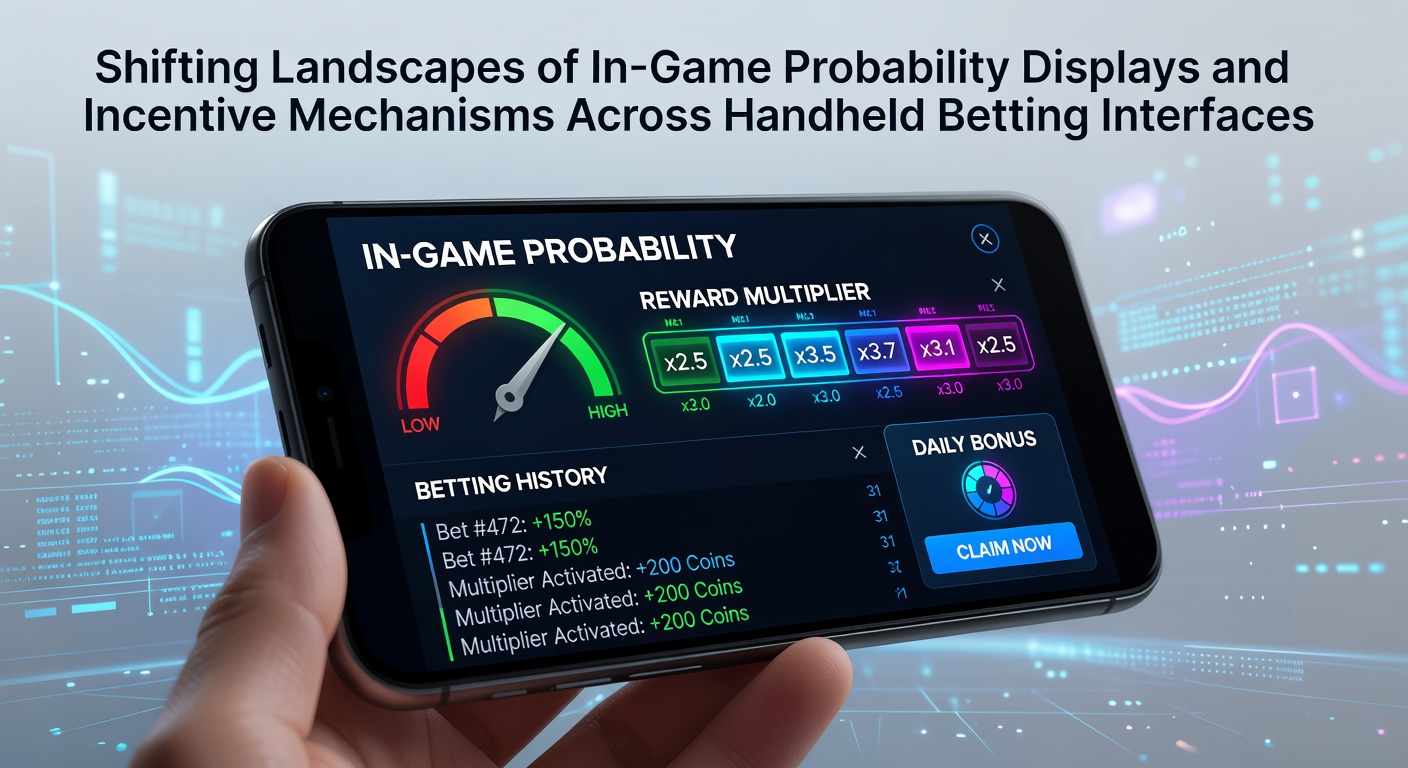
Developers have refined handheld betting interfaces to present in-game probabilities through layered visualizations that update continuously during events, and these changes reflect broader shifts in how platforms manage user engagement across regions. Data from industry reports indicates that real-time probability meters now integrate color-coded segments and predictive sliders which adjust based on live inputs, allowing users to track shifting outcomes without leaving the main screen.Real-Time Probability Visualizations on Handheld Devices
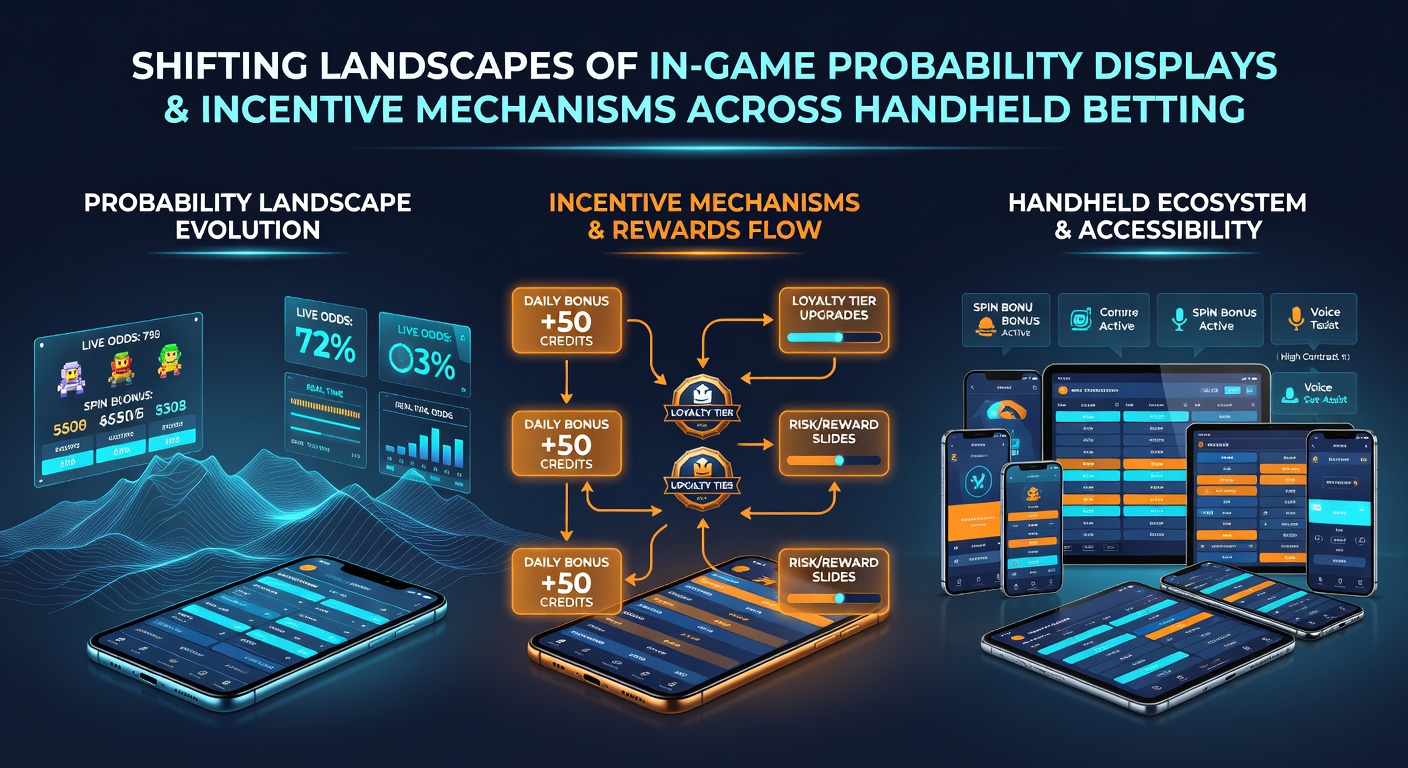
Handheld platforms deliver probability displays that combine numerical percentages with graphical elements such as progress arcs and heat maps, and these tools draw from aggregated data streams to reflect current conditions. Observers note that by May 2026 many applications incorporate augmented overlays which highlight probability ranges for specific in-game scenarios, while maintaining compatibility with both portrait and landscape orientations on smartphones and tablets.
Research from academic institutions shows that such displays reduce cognitive load by grouping related metrics together, and users encounter fewer interruptions because the system prioritizes essential updates. For instance, one study revealed that dynamic probability panels on mobile devices help maintain focus during extended sessions by surfacing contextual hints only when thresholds are crossed, whereas static displays from earlier generations required manual refreshes.
Incentive Mechanisms and Their Integration Patterns
Incentive structures appear through targeted prompts that align with probability shifts, and platforms deploy these elements via segmented offers that activate based on user activity patterns. Figures from regulatory analyses indicate that loyalty multipliers and streak-based rewards now tie directly into the probability interface, so that a displayed likelihood increase can trigger an accompanying bonus notification without additional navigation.
Those who have examined app architectures find that handheld systems use modular incentive layers which permit regional customization, and this approach accommodates varying compliance requirements across jurisdictions. Data shows that in May 2026 several operators introduced conditional incentives that scale according to the volatility indicated in the probability display, thereby linking risk presentation with reward visibility in a single flow.
Cross-Platform Adaptations and User Interaction Flows
Interfaces on handheld devices adapt incentive mechanisms to accommodate touch-based interactions, and developers embed gesture controls that allow quick acceptance or dismissal of offers while probability data remains visible. According to analyses from the Australian Institute of Family Studies, these streamlined flows contribute to measurable differences in session duration across demographic groups, with younger users responding more readily to animated incentive cues paired with probability updates.
But here's the thing: platforms continue to test variations in how they surface these elements, and some now employ predictive algorithms that anticipate when a probability display might prompt an incentive suggestion. Researchers discovered that such anticipatory designs appear more frequently in markets with established digital payment integrations, where seamless deposit prompts accompany the probability and reward visuals.
Regional Regulatory Influences on Display Standards
Government agencies in multiple regions have issued guidelines that shape how probability information and incentives appear on handheld screens, and these directives emphasize clarity alongside promotional content. The Nevada Gaming Control Board has referenced interface transparency standards that affect how operators present changing probabilities during live events, while Canadian provincial regulators have examined similar requirements for incentive disclosure timing.
What's interesting is that these frameworks encourage consistent placement of probability meters and reward indicators, and compliance teams at major providers adjust layouts accordingly to meet local expectations without fragmenting the user experience. Evidence suggests that standardized display protocols help maintain operational consistency across borders, even as incentive mechanics retain flexibility for market-specific promotions.
Technical Advancements Driving Interface Evolution
Advances in mobile processing power support more sophisticated probability calculations that render in real time on handheld devices, and these improvements allow for simultaneous tracking of multiple variables within a single view. Industry reports highlight that integration with external data feeds now occurs at higher frequencies, which in turn informs both the probability displays and the conditional incentive triggers that respond to them.
One case where experts observed measurable progress involved the deployment of lightweight visualization libraries that preserve battery life while delivering fluid updates, and this technical choice has become common among platforms targeting extended live-event usage. Observers note that such efficiencies matter because handheld betting often occurs in varied environments where connectivity and power constraints differ from desktop settings.
Conclusion
Handheld betting interfaces continue to evolve through tighter coupling of probability displays and incentive mechanisms, and these developments reflect ongoing technical, regulatory, and operational considerations across global markets. Data from multiple sources shows that by May 2026 the emphasis remains on delivering coherent visual flows that keep core information accessible while supporting varied engagement tools. As platforms refine these elements further, users encounter increasingly integrated experiences that adapt to both individual behavior and external requirements.