Mobile Platform Architectures for Seamless Incentive Activations and Live Probability Recalibrations in Basketball and Football
Nils Jenkins · Jun 11, 2026
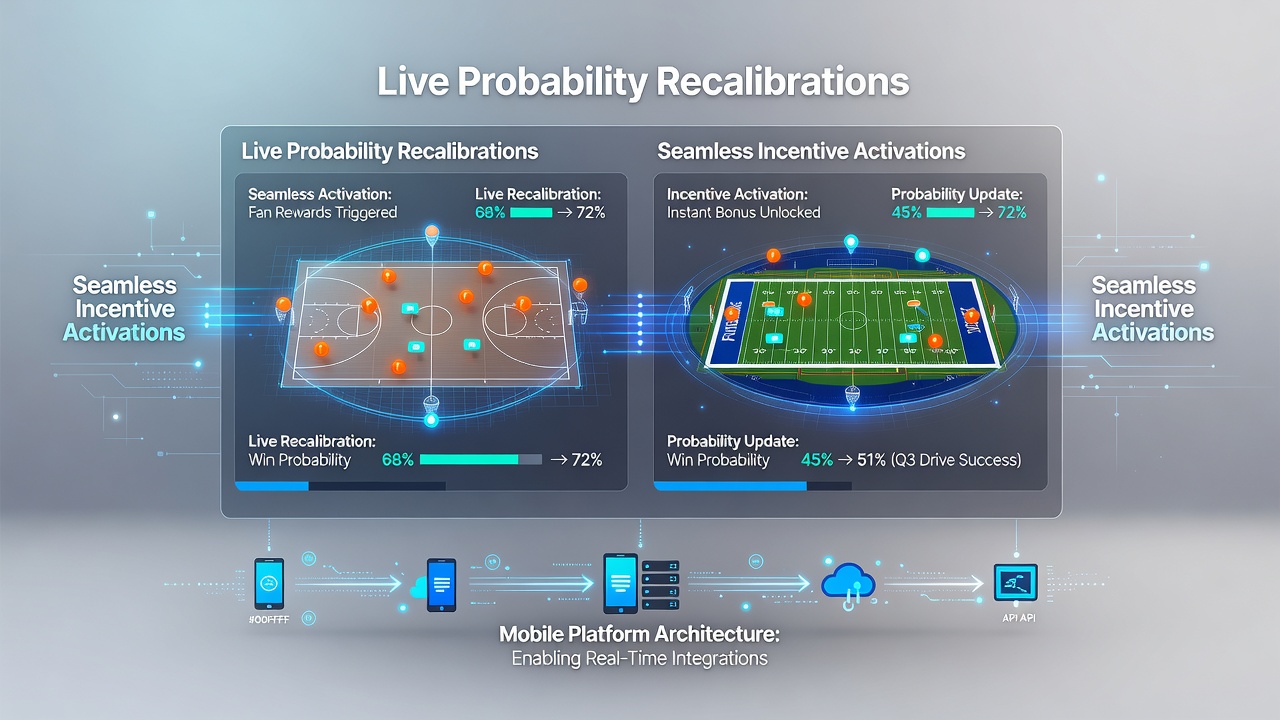
Mobile Platform Architectures for Seamless Incentive Activations and Live Probability Recalibrations in Basketball and Football
Modern mobile platforms rely on layered architectures that combine client-side processing with robust backend systems to handle incentive activations and probability recalibrations during live basketball and football events, and these designs support continuous data streams from multiple sources while maintaining user session continuity across devices.
Developers structure these systems around microservices that separate concerns such as user account management, event data ingestion, and reward distribution, which allows independent scaling when event volumes spike during key moments in professional leagues.
Core Components of Mobile Architectures
Client applications on handheld devices integrate with cloud-based orchestration layers that pull real-time feeds from league data providers, and these feeds feed into algorithms responsible for updating outcome probabilities on the fly. Backend services use event-driven architectures where triggers from score changes or player statistics immediately propagate to connected user sessions, ensuring that incentive offers appear without noticeable latency.
Observers note that containerized deployments and API gateways play central roles in routing requests efficiently, while database clusters maintain synchronized state for active bets and pending activations across distributed regions.
Incentive Activation Flows
Seamless incentive mechanisms depend on token-based authentication combined with eligibility engines that evaluate user history against current event parameters, and these engines execute checks in milliseconds to unlock bonuses tied to specific play outcomes or cumulative performance metrics. Mobile platforms often employ push notification services that coordinate with the same data pipelines used for odds updates, creating a unified pathway for both reward delivery and probability shifts.
According to industry reports from the European Gaming and Betting Association, integration of these flows has reduced activation times across major operators handling basketball and football markets.
Live Probability Recalibration Processes
Probability engines operate on streaming analytics frameworks that ingest play-by-play data and apply statistical models to revise implied probabilities, and these revisions occur at intervals as short as every few seconds during high-action periods. Architects design the systems with fallback mechanisms that preserve accuracy even when primary data sources experience brief interruptions, routing updates through redundant channels until full synchronization resumes.
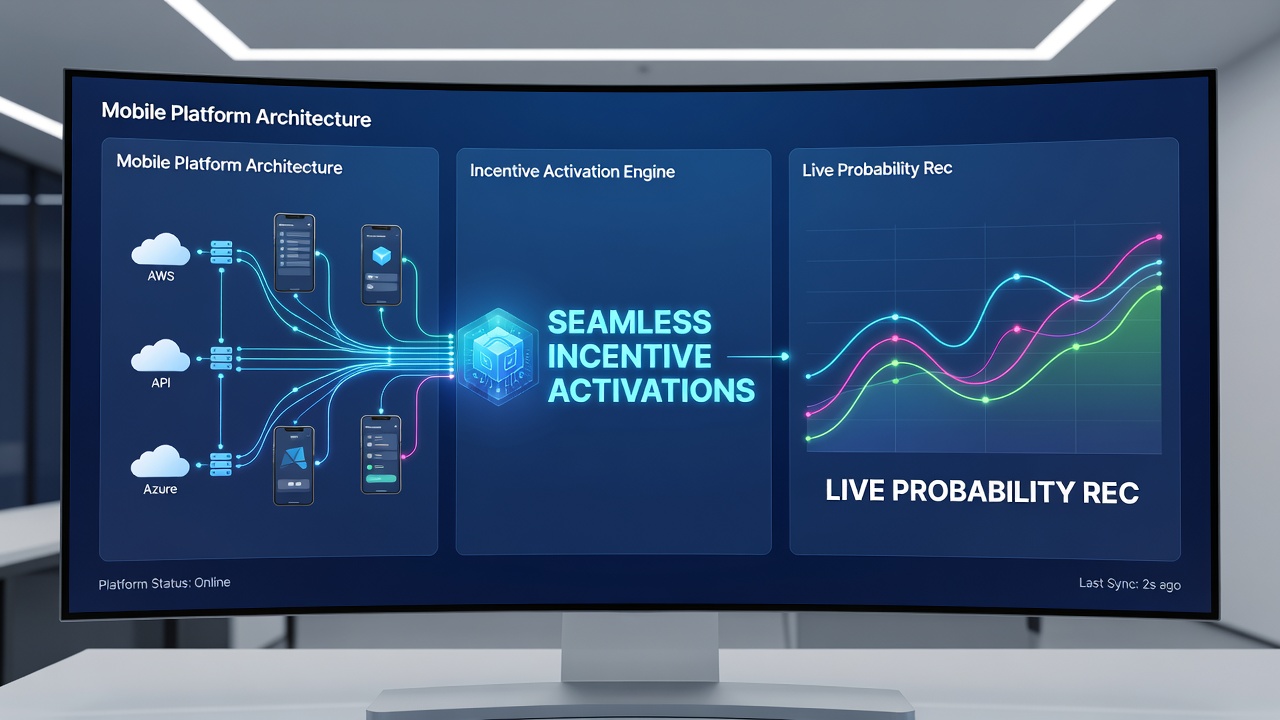
Researchers from academic institutions studying real-time computing in sports applications have documented how graph-based processing accelerates recalculation of multi-leg outcomes common in football and basketball wagering scenarios.
Integration Across Basketball and Football Events
Basketball events generate frequent micro-updates from shot attempts and possession changes, whereas football matches feature longer intervals punctuated by scoring plays and substitutions, yet the same architectural patterns accommodate both through configurable event parsers. Developers implement adaptive throttling to prioritize critical recalibrations during peak moments, such as end-of-quarter sequences in basketball or final drives in football contests.
Platform operators coordinate these capabilities with regional regulatory frameworks, including oversight from bodies like the New Jersey Division of Gaming Enforcement, to maintain compliance while delivering synchronized incentive and probability services.
Performance Considerations in June 2026
As of June 2026, enhancements in edge computing have allowed more processing to occur closer to user devices, which shortens response times for both incentive triggers and probability displays during live events. Network optimizations and improved compression protocols further support consistent performance across variable connectivity conditions typical of mobile usage during games.
Data from global gaming technology assessments indicate continued refinement of these architectures to handle increasing event complexity without compromising synchronization between rewards and odds.
Conclusion
Mobile platform architectures that align incentive activations with live probability recalibrations provide the technical backbone for responsive experiences in basketball and football betting environments, and ongoing developments in distributed systems continue to refine how these capabilities scale under real-world conditions.