Interface Designs Linking Line Comparisons with Crypto Transactions in Portable Live Sports Wagering
Vera Jenkins · Aug 1, 2026
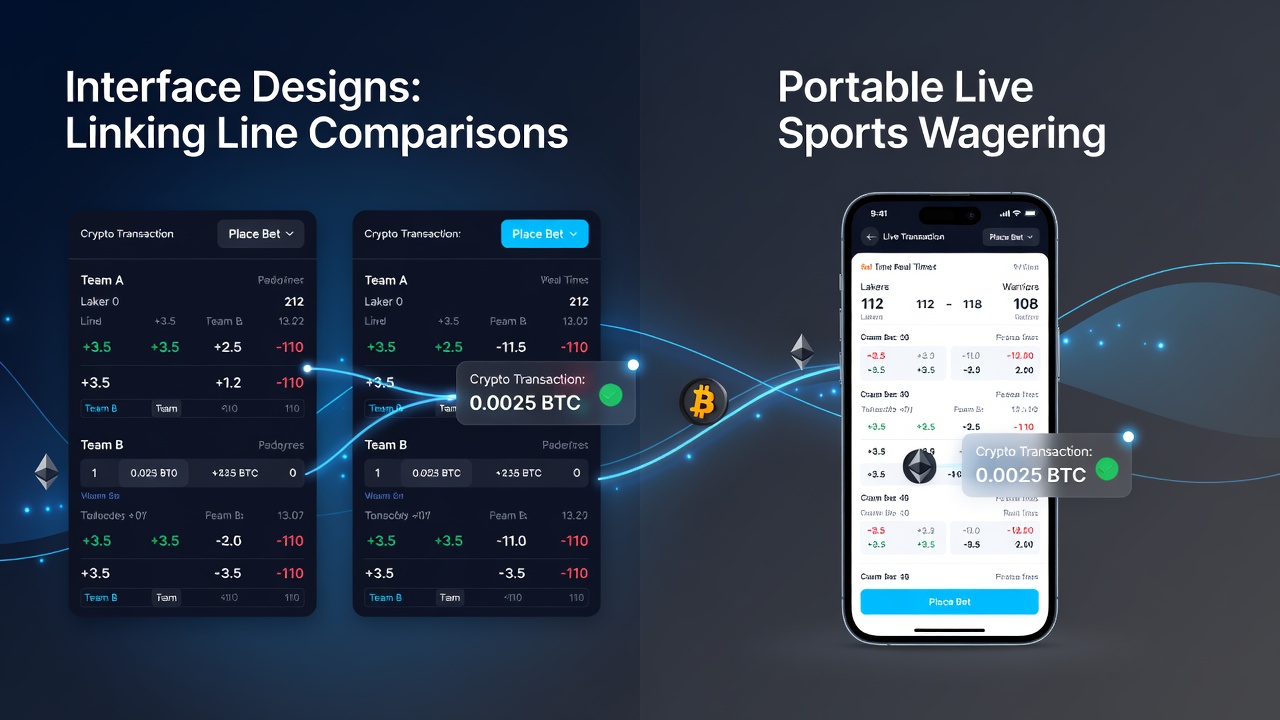
Interface Designs Linking Line Comparisons with Crypto Transactions in Portable Live Sports Wagering
Portable live sports wagering applications have developed interface architectures that position line comparison tools directly alongside crypto transaction modules, allowing users to evaluate shifting odds while initiating digital asset transfers within the same screen view. These designs emerged as mobile platforms expanded their support for cryptocurrency deposits and withdrawals in professional football and basketball events, with developers focusing on reducing navigation steps between probability displays and funding options. Observers note that such integrations became more prominent after regulatory updates in several North American jurisdictions during 2025, setting the stage for further refinements by August 2026.
Core Elements of Linked Display Systems
Interface layouts typically feature split-screen configurations where dynamic line data occupies one panel while crypto wallet selectors and transaction status indicators fill an adjacent section, and developers connect these elements through real-time data feeds that update both simultaneously during in-game action. Users encounter visual cues such as color-coded arrows that highlight line movements next to estimated crypto processing times, which helps maintain continuity when odds adjust rapidly. Data from the Nevada Gaming Control Board indicates that transaction volumes involving digital currencies in mobile sports wagering rose steadily through mid-2025, prompting platforms to refine these visual linkages for smoother operation.
Design teams incorporate gesture-based controls that allow quick toggling between detailed line histories and crypto balance overviews without exiting the active wager screen, and this approach reduces latency in high-pressure live betting scenarios. Research conducted at the University of Nevada, Las Vegas, examined how such dual-panel systems affect decision timing, revealing measurable differences in how bettors interact with combined probability and payment data streams.
Real-Time Synchronization Mechanisms
Backend connections between odds engines and blockchain nodes feed live information into the front-end displays, enabling line comparison charts to refresh at the same intervals as crypto confirmation counters. When a line shift occurs, the interface automatically recalibrates any associated transaction previews, displaying revised payout estimates calculated in both traditional and digital currency units. Those who have reviewed platform documentation note that these synchronizations rely on API bridges that prioritize low-latency pathways to prevent discrepancies during peak event periods.
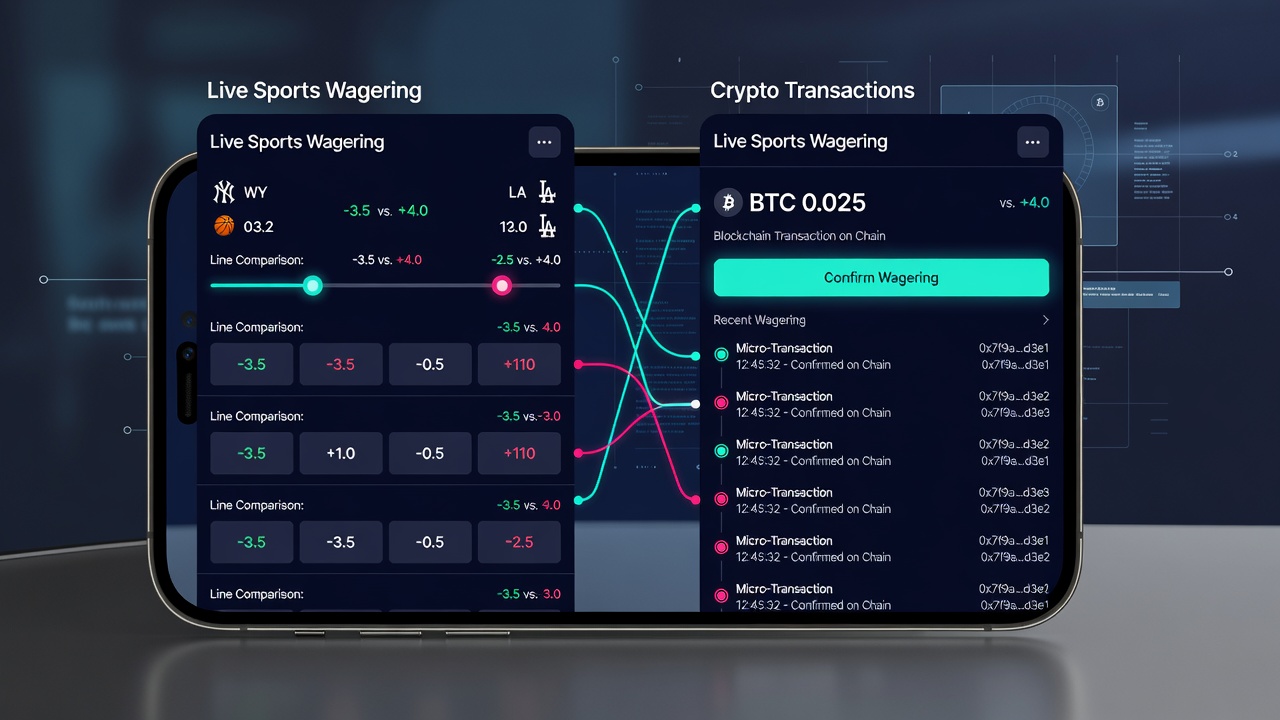
Notification overlays appear within the line comparison area to signal pending crypto transfers, using subtle animations that do not obscure probability data. Platforms tested these elements extensively in controlled environments before wider deployment, with emphasis on maintaining readability across various device sizes and operating systems. By August 2026, several major applications had incorporated predictive loading for crypto confirmations, anticipating network conditions based on historical patterns observed during major league matchups.
Security and Verification Layers in the Design
Interface designs embed multi-factor authentication prompts directly into the crypto transaction flow while preserving access to ongoing line comparisons, and this placement ensures that verification steps interrupt betting activity as little as possible. Visual indicators confirm wallet connectivity status alongside current odds differentials, giving users a consolidated view of both financial readiness and market conditions. Reports from the Alcohol and Gaming Commission of Ontario highlight increased scrutiny on these combined verification processes, leading developers to adopt standardized iconography that signals security status without additional pop-ups.
Accessibility features integrate with the same layout framework, allowing screen readers to announce line changes and transaction milestones in sequence. Data shows that such unified designs support compliance requirements across multiple regions by logging interactions that span both probability and payment modules within single session records.
Conclusion
Interface architectures that merge line comparison tools with crypto transaction pathways continue to evolve as portable wagering platforms adapt to expanding digital currency adoption in live sports contexts. These systems prioritize synchronized updates and streamlined visual flows that connect probability monitoring with funding actions. Ongoing refinements reflect regulatory developments and technical improvements observed through 2026, shaping how users navigate real-time betting environments on handheld devices.