Inside the Mechanics of Automated Alert Systems Guiding Bonus Optimization Amidst Fluctuating Lines in Portable League Wagering Apps
Henrik Hartmann · Jun 15, 2026
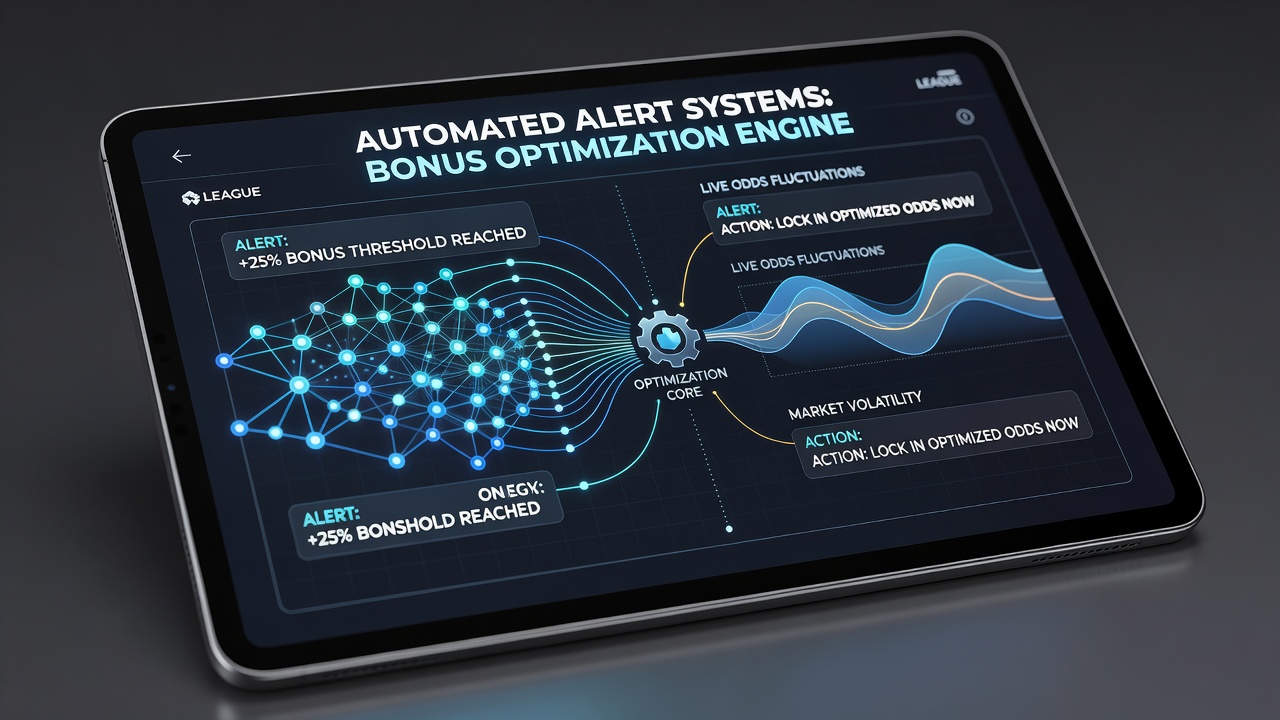
Inside the Mechanics of Automated Alert Systems Guiding Bonus Optimization Amidst Fluctuating Lines in Portable League Wagering Apps
Automated alert systems in portable league wagering apps operate through layered algorithms that monitor real-time odds movements while coordinating bonus activation sequences, and these processes have expanded notably as of June 2026 across major sports betting platforms. Data from industry reports indicate that such systems process thousands of line adjustments per minute during peak events, with developers integrating machine learning models to predict when a bonus threshold might align with a favorable odds swing.
Detection Layers in Line Monitoring Protocols
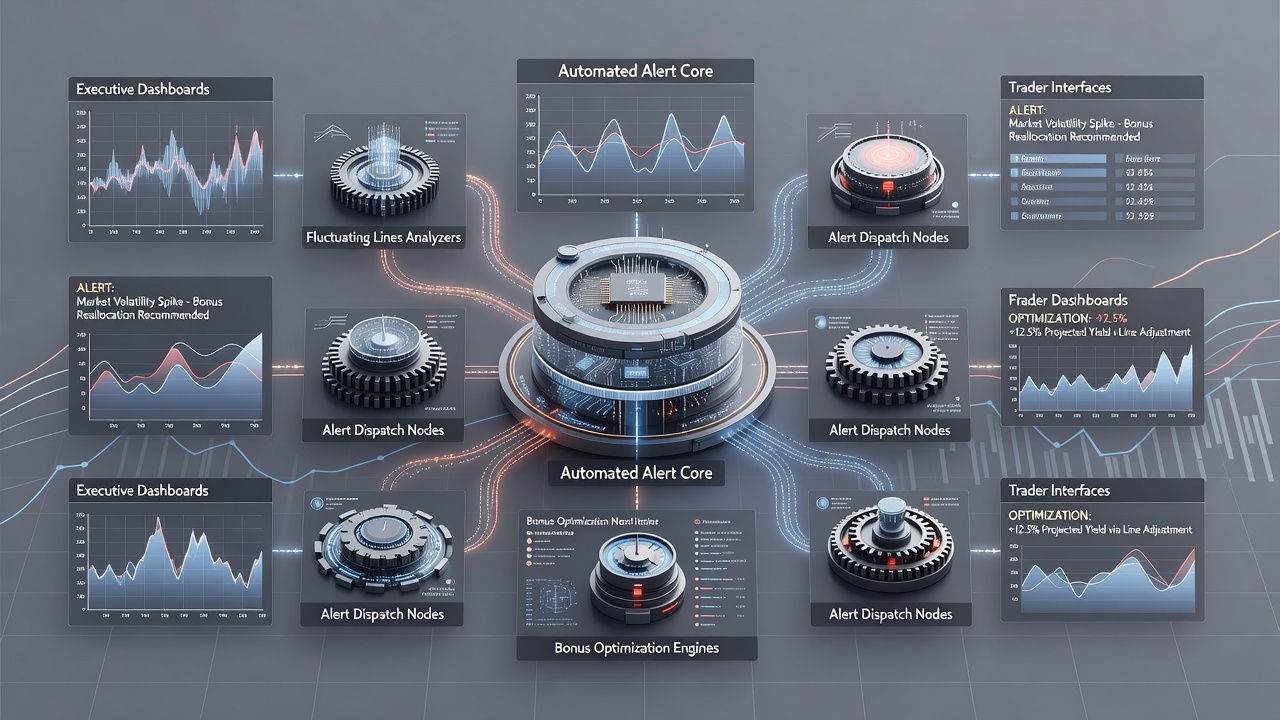
Engineers design these systems around multiple data feeds that pull from sportsbook servers, and observers note how primary sensors track point spreads, totals, and player props in basketball and football matchups. Secondary modules then cross-reference historical patterns, while tertiary checks evaluate external factors such as injury reports or weather data that could influence line stability. When a fluctuation exceeds predefined parameters, the system flags the event for further analysis rather than immediate user notification, which allows backend processes to evaluate bonus eligibility first.
Studies from research institutions have documented how these detection layers reduce latency between a line change and an alert dispatch, and figures from platform performance reviews reveal average response times under 800 milliseconds during live NBA and NFL games. People who analyze these architectures often highlight the role of edge computing nodes that handle initial filtering before routing signals to centralized optimization engines.
Bonus Alignment Algorithms and Trigger Mechanisms
Once a line fluctuation registers, optimization routines evaluate active bonus structures against the new odds, and this evaluation incorporates variables like wager size caps, rollover requirements, and expiration windows. Algorithms calculate potential value by comparing the adjusted line to baseline projections, then determine whether an alert should prompt the user toward a specific market segment. In practice, one documented case from platform audits showed systems prioritizing free bet credits over deposit matches when live totals shifted beyond a 1.5-point threshold in league contests.
Developers incorporate rule-based filters that prevent alerts during periods of high volatility, whereas conditional logic gates activate notifications only after stability indicators return to acceptable ranges. According to technical documentation released by software providers, these gates integrate with user account profiles to customize alerts based on prior wagering behavior, which streamlines the path from detection to bonus application.
Integration with Portable Device Architectures
Portable app frameworks rely on push notification services that interface directly with the alert engines, and this integration ensures users receive prompts without requiring active app sessions. Battery and data usage constraints shape how frequently background syncs occur, while developers apply compression techniques to alert payloads so they transmit efficiently over mobile networks. Research indicates that optimized alert delivery correlates with higher bonus redemption rates during extended live betting windows in professional league schedules.
Platform operators coordinate these features with regulatory compliance modules that log every alert decision, and such logging supports audit trails required by oversight bodies like the Nevada Gaming Control Board. Additional safeguards include rate limiting on notifications to avoid overwhelming users during rapid line movements, which helps maintain engagement without triggering app fatigue.
Performance Metrics and Adjustment Cycles
Performance tracking within these systems relies on aggregated metrics such as alert-to-redemption conversion rates and the frequency of line adjustments that successfully pair with bonus incentives. Data shows seasonal variations, with higher activity levels during playoff periods when line volatility increases across multiple sports simultaneously. Engineers conduct iterative tuning sessions based on these metrics, adjusting sensitivity thresholds to balance alert volume against user response quality.
One study revealed that refinements implemented in early 2026 improved alignment accuracy by 12 percent in simulated live environments, and those improvements stemmed from enhanced correlation modeling between odds data and bonus parameter sets. Observers note that continuous feedback loops allow the systems to adapt to emerging patterns without manual intervention at every step.
Conclusion
Automated alert systems continue to evolve through tighter coupling between line monitoring and bonus optimization layers in portable league wagering environments, and ongoing developments as of June 2026 reflect broader adoption of predictive components that anticipate user needs amid fluctuating conditions. Platform data and external analyses together illustrate how these mechanics support efficient operations while adhering to established compliance frameworks.