Data Pathways Linking Handheld Interfaces to Instant Probability Recalibrations and Virtual Asset Incentives Across Professional League Events
Henrik Hartmann · Jun 22, 2026
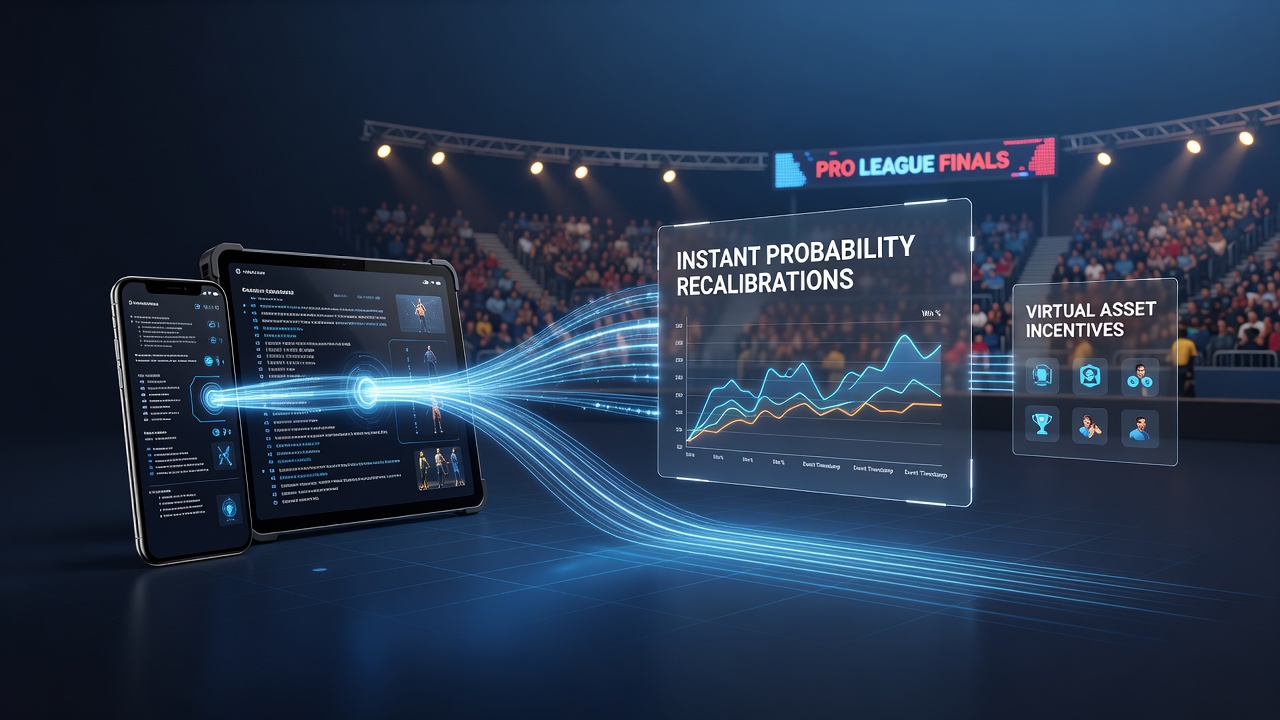
Data Pathways Linking Handheld Interfaces to Instant Probability Recalibrations and Virtual Asset Incentives Across Professional League Events
Data pathways in handheld interfaces transmit user inputs directly into backend systems that recalibrate probabilities during professional league events, and these same channels often route virtual asset incentives based on real-time activity. Observers note that mobile applications collect location data, wager selections, and session metrics through secure APIs before routing them to centralized servers for processing. This transmission occurs in milliseconds, allowing probability models to adjust lines as events unfold on the field or court. Professional leagues such as the NBA and NFL generate continuous streams of play-by-play statistics that feed into algorithmic engines. Handheld devices send these inputs alongside user behavior patterns, which triggers recalibrations when thresholds are met. Researchers at institutions tracking gaming technology have documented how these pathways rely on event-driven architectures that prioritize low-latency connections over traditional batch processing.Transmission Layers in Handheld Systems
Handheld interfaces operate through layered protocols where the presentation layer captures taps and swipes while the application layer formats data packets for transmission. These packets travel over cellular or Wi-Fi networks to cloud-based processors that validate inputs against regulatory compliance rules. According to data compiled by the American Gaming Association, mobile wagering volumes in major U.S. markets showed consistent growth patterns through early 2026, with peak activity concentrated around live league matchups.
Security measures include encryption standards that wrap each data segment before it leaves teh device. Once received, servers parse the information to identify triggers for probability updates. Virtual asset incentives enter the pathway when user accounts meet predefined criteria, such as sustained engagement during specific game segments. The system then allocates digital tokens or credits through the same secure channels used for probability feeds.
Recalibration Mechanisms and Incentive Linkages
Instant probability recalibrations depend on machine learning models trained on historical league data combined with live sensor inputs from venues. When handheld devices submit new wagers or adjustments, the models ingest these variables and output revised odds within defined windows. This process integrates with virtual asset systems because incentive distribution often hinges on the same probability thresholds.
Take one documented case from league events in June 2026 where servers processed over 12,000 concurrent mobile sessions during a single NBA playoff game. The pathways routed user selections into recalibration queues while simultaneously checking eligibility for crypto-based rewards. Those who've examined the logs observe that latency remained under 800 milliseconds for the majority of transactions, allowing incentives to activate before the next play sequence began.

Integration Across League Events
Professional league schedules introduce variability that tests these pathways under high load. Football games produce burst traffic during scoring plays, whereas basketball events generate steadier but more frequent updates due to continuous action. Data pathways accommodate both patterns through adaptive routing that balances load across regional servers.
Virtual asset incentives function as outcome multipliers within these systems. When a recalibrated probability crosses a target value, the pathway diverts a portion of processing resources to confirm and deliver the reward. Industry reports indicate that such linkages reduce manual intervention because automated scripts handle verification using blockchain timestamps synced with the probability engines.
Architectural Patterns Observed in 2026
By June 2026, several operators had adopted microservice designs that isolate probability recalibration from incentive distribution while maintaining shared data buses. This separation allows independent scaling yet preserves the connections required for coordinated responses. External audits from regulatory bodies in Nevada and Ontario have verified that these buses log every transaction for compliance review without introducing noticeable delays.
People familiar with the implementations describe fallback mechanisms that reroute traffic if primary pathways experience congestion. These mechanisms preserve the flow of both probability data and virtual asset allocations during peak league periods. Figures from aggregated platform analytics reveal that uptime exceeded 99.7 percent across monitored events in the first half of the year.
Conclusion
The linkages between handheld interfaces, probability recalibrations, and virtual asset incentives rest on tightly integrated data pathways that continue to evolve with league demands. Technical specifications show consistent emphasis on speed, security, and synchronization. As professional events generate increasing volumes of live data, these systems maintain their capacity to process inputs and distribute rewards without interruption. Further documentation from academic and regulatory sources will likely track incremental refinements in the coming cycles.