Connections Between Portable Device Architectures and Simultaneous Resolution Protocols for Crypto Incentives During Evolving NFL NBA Probability Displays
Nils Jenkins · Jul 11, 2026
Connections Between Portable Device Architectures and Simultaneous Resolution Protocols for Crypto Incentives During Evolving NFL NBA Probability Displays
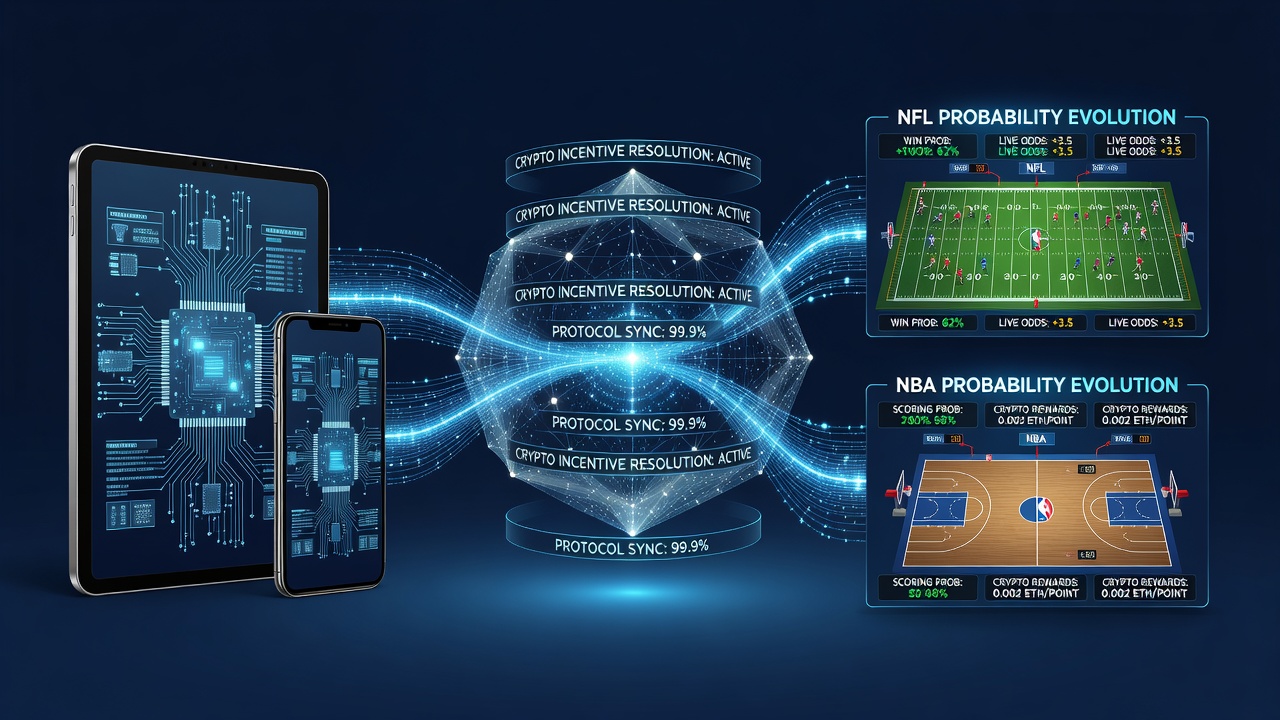
Portable device architectures underpin the technical frameworks that enable simultaneous resolution protocols to process crypto incentives while NFL and NBA probability displays update in real time, and data from multiple platform analyses shows these systems manage concurrent operations through layered hardware and software integrations. Mobile processors in devices running iOS and Android handle the computational load required for live event data streams, whereas memory management protocols allocate resources to prevent latency during incentive calculations and display refreshes.
Device Architecture Foundations in Live Betting Environments
System-on-chip designs in contemporary smartphones coordinate with operating system kernels to prioritize tasks associated with probability calculations, and researchers at institutions tracking mobile performance metrics have documented how ARM-based architectures support parallel thread execution for crypto transaction verification alongside graphical rendering of odds movements. Application frameworks built on these architectures incorporate APIs that facilitate direct communication between wallet services and betting engines, which allows incentives tied to user activity to resolve without interrupting the flow of updated probability information during NFL games or NBA quarters.
Graphics processing units embedded in portable hardware accelerate the visualization of shifting lines, while central processing units manage backend protocol calls for digital asset disbursements, and figures from industry performance reports indicate that optimized memory caching reduces conflicts between these processes. Developers configure these architectures with event-driven listeners that trigger simultaneous actions when probability thresholds change, ensuring crypto rewards activate in alignment with display modifications.
Simultaneous Resolution Protocols and Crypto Incentive Handling
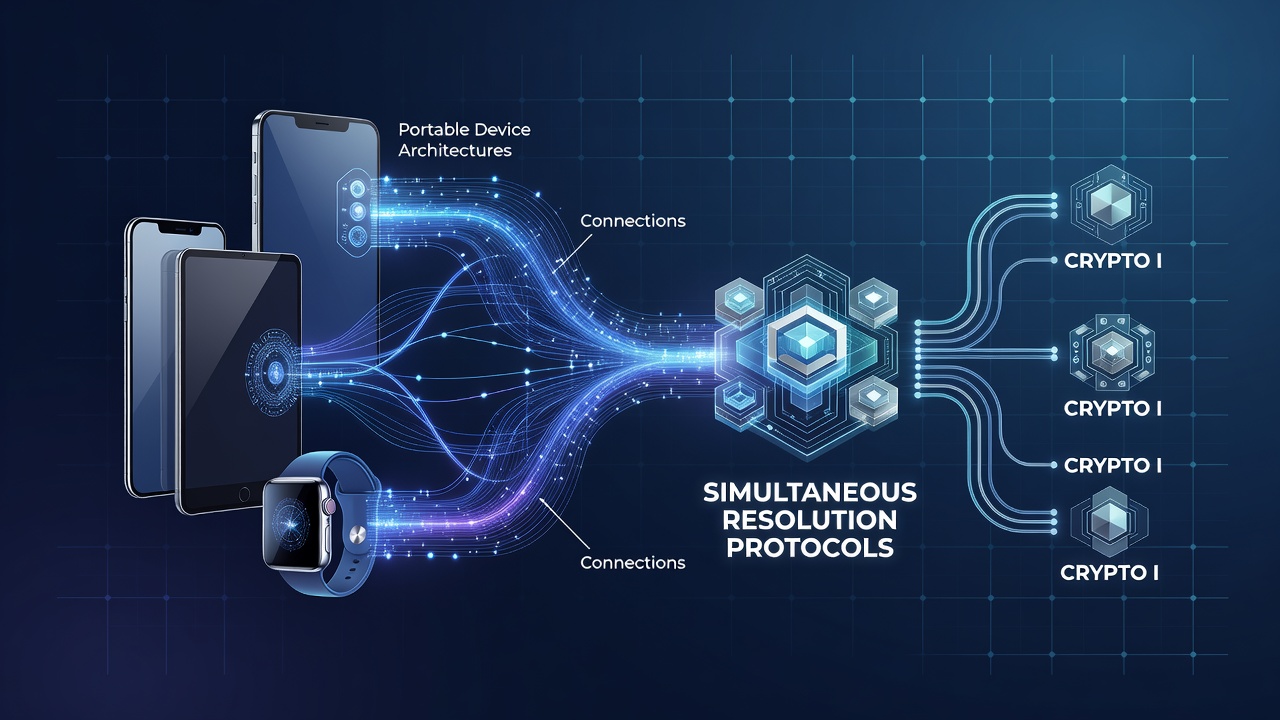
Protocols designed for simultaneous resolution synchronize data packets from sports data feeds with blockchain confirmation sequences, and evidence from technical documentation reveals that these mechanisms employ timestamp synchronization to align incentive releases with probability display refreshes. In July 2026, platform operators have expanded the use of atomic transaction models that bundle crypto incentive distributions with live odds adjustments, preventing partial states where one element updates without the other.
These protocols operate through middleware layers that interface with device hardware timers, which maintain consistency across distributed network calls and local rendering pipelines, whereas studies conducted by gaming technology research groups demonstrate reduced error rates when such synchronization occurs at the kernel level. Crypto incentives processed under these conditions include deposit matches and activity-based rewards that adjust dynamically based on real-time NFL or NBA event probabilities.
Integration Patterns Across NFL and NBA Applications
Application designs for NFL and NBA wagering integrate device architecture features such as secure enclaves for cryptographic key storage, and this setup supports simultaneous resolution by isolating incentive processing from display threads to maintain performance stability. Observers tracking app telemetry note that push notification systems coordinate with these protocols to alert users of resolved incentives at the exact moment probability displays incorporate new play outcomes or score changes.
Cross-platform development tools enable consistent behavior between device types, while data collected from user sessions shows that iOS sandboxing and Android permission models both accommodate the required access levels for wallet integrations without compromising security during live updates. Patterns observed in these environments include fallback mechanisms that queue unresolved incentives if network conditions affect simultaneous protocol execution.
Technical Synchronization Challenges and Solutions
Network variability poses challenges to maintaining synchronization between crypto processes and probability displays, yet protocol enhancements incorporate adaptive buffering that leverages device architecture capabilities for local computation during connectivity dips. Analyses from technology oversight bodies in regions including Canada and Australia have examined how these adaptations preserve incentive integrity amid fluctuating data streams from professional sports leagues.
Developers address potential desynchronization through consensus algorithms adapted for mobile environments, and records indicate that multi-signature wallet confirmations now complete within the same cycle as display refreshes in many implementations. Such solutions rely on efficient use of portable device resources to handle the dual demands of blockchain interactions and graphical probability modeling.
Future Developments in Protocol and Architecture Alignment
Ongoing refinements focus on deeper integration between emerging device architectures and enhanced resolution protocols, with particular attention to supporting higher volumes of simultaneous crypto incentive events during peak NFL and NBA activity periods. Industry reports highlight testing of next-generation processors that further reduce latency in these combined operations, allowing probability displays to evolve without delays in associated reward distributions.
Regulatory frameworks in various jurisdictions continue to shape how these technical connections operate within legal parameters for digital asset use in sports wagering contexts, and collaborative efforts among hardware manufacturers and software providers aim to standardize interfaces that support consistent performance across diverse portable platforms.
Conclusion
Connections between portable device architectures and simultaneous resolution protocols continue to define how crypto incentives align with evolving NFL and NBA probability displays, as technical implementations demonstrate measurable coordination through hardware capabilities and protocol design. Data from ongoing platform operations confirms that these elements function together to process updates and rewards in unified cycles, supporting the operational requirements of mobile sports wagering environments.